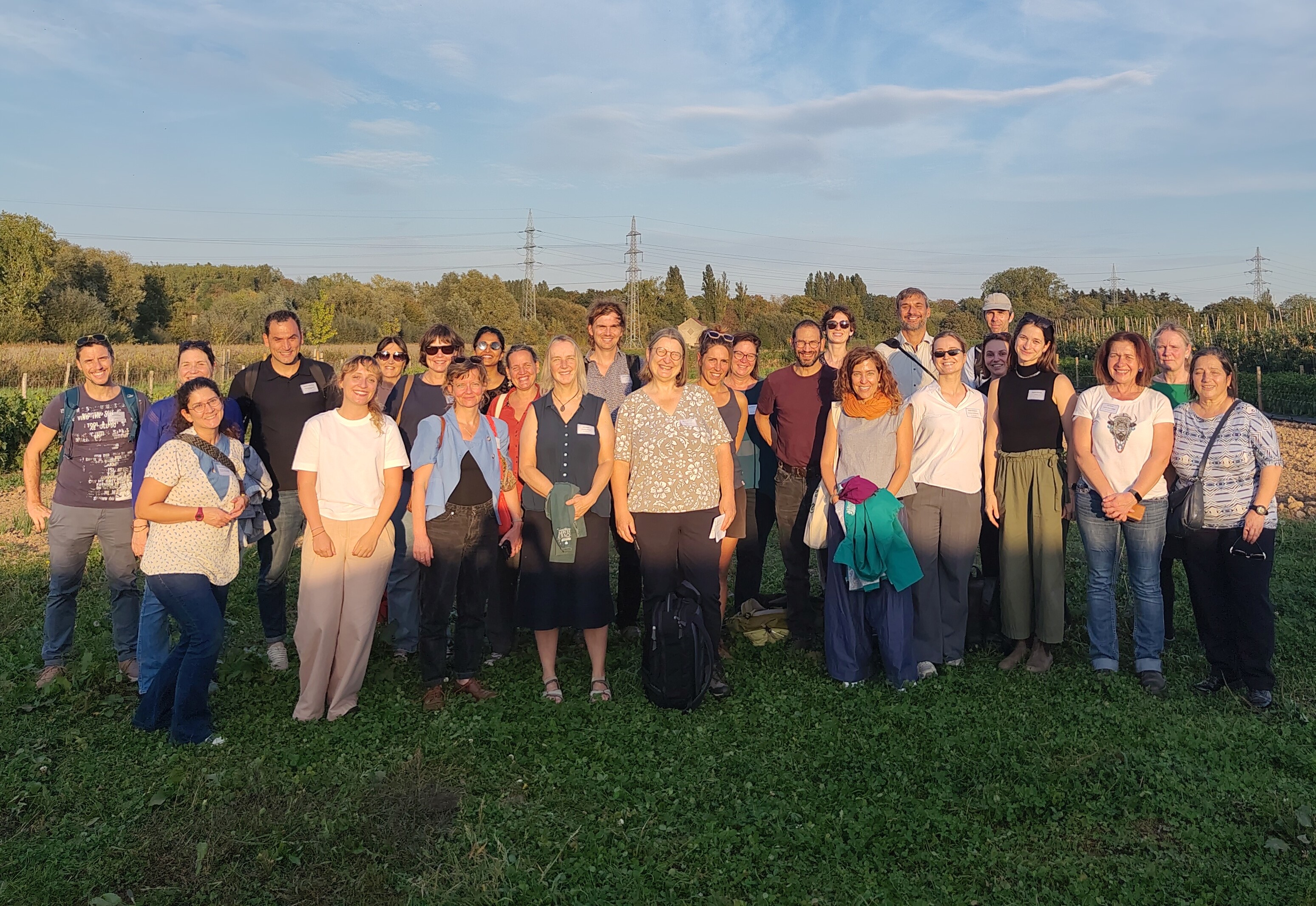
Over the past four years, the creation and expansion of Knowledge Exchange Networks (KENs) has been a core priority for the BioAgora project as it develops the Science Service for Biodiversity (SSBD), a mechanism for facilitating dialogues between researchers and decision-makers within the European Commission. Between 29 and 30 September, the Belgian capital Brussels hosted the launch event for the latest such KEN, a grouping focused on the topic of agro-ecosystems. More specifically, the Network's primary objective is to integrate existing research knowledge in the field within concrete European policies.
Guided by this vision, the event sought to strengthen not merely the newly formed KEN, but also the associated wider science-policy-society interface in a discussion on priority knowledge needs in the domain of agro-ecosystems. In attendance were 30 representatives from EU research projects, 10 European policy-makers, 5 local government officials and members of 5 civil society organisations. This brought a wide variety of ecological knowledge into the Network as well as more specific social, political, agricultural and economic expertise.
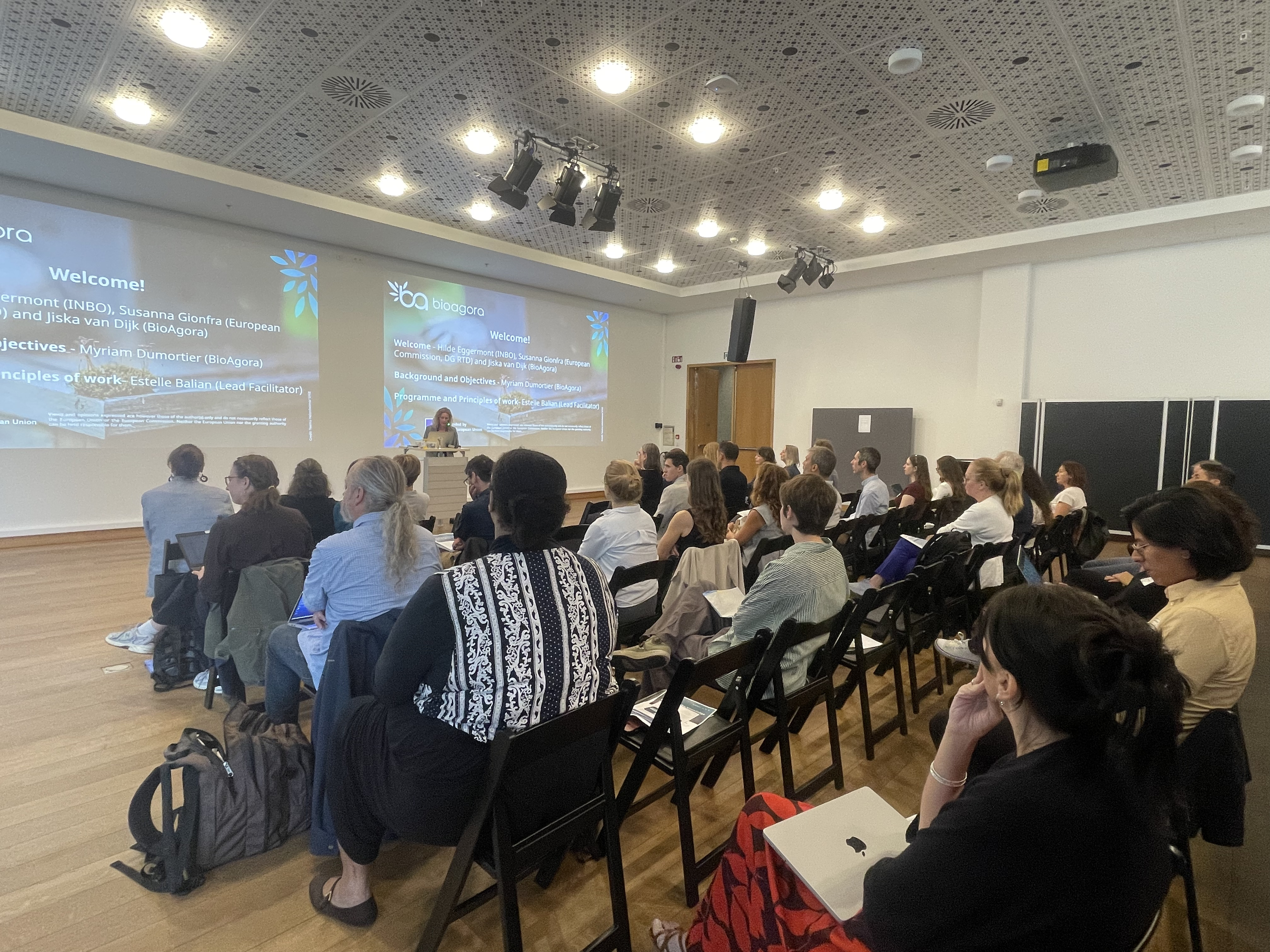
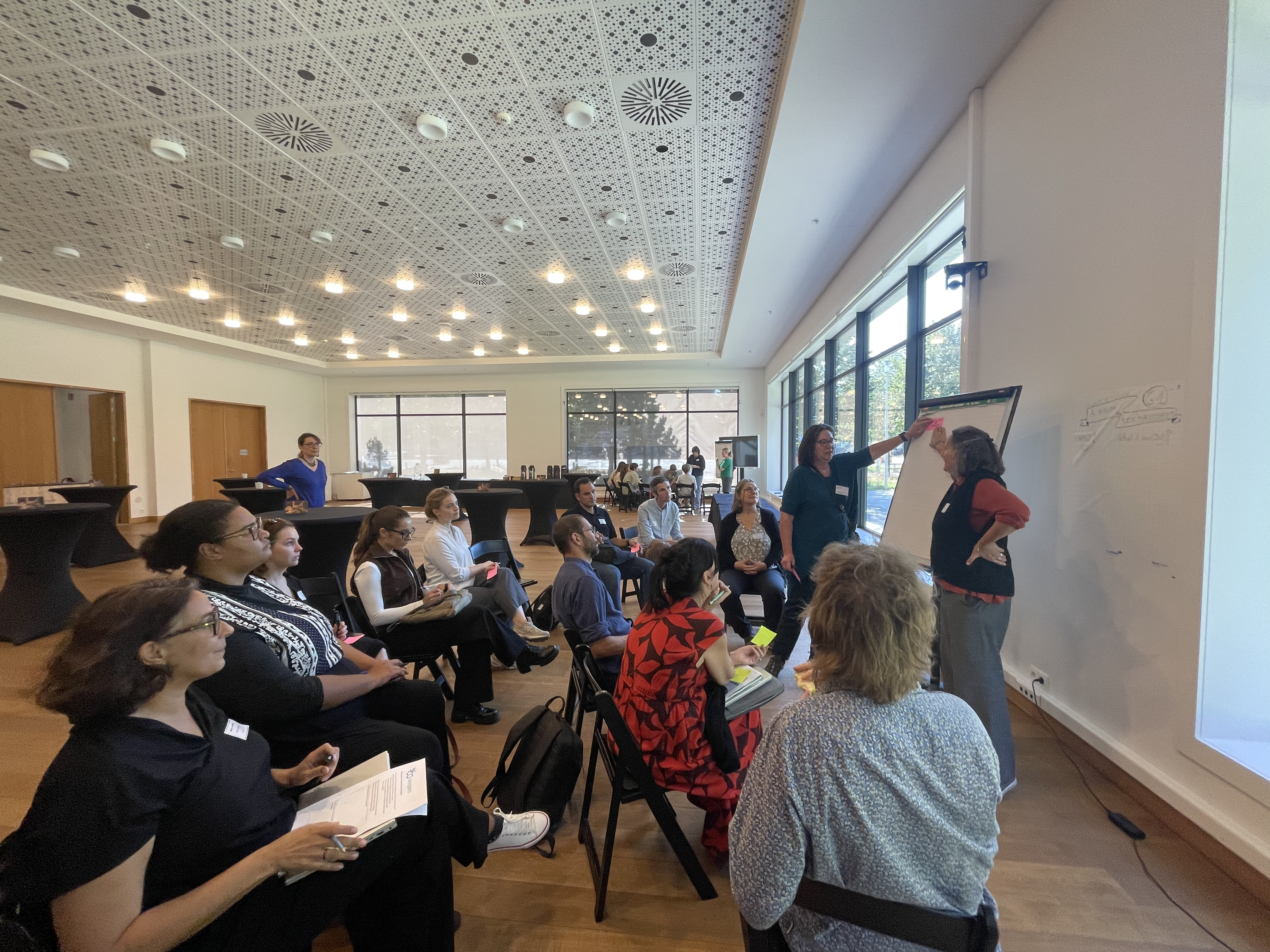
Several member institutions within the BioAgora consortium came together to co-organise the launch, namely the Research Institute for Nature and Forest (INBO), the UK Centre for Ecology and Hydrology (UKCEH), the Norwegian Institute for Nature Research (NINA) and the National Research Institute for Agriculture, Food and the Environment (INRAE). A central consideration for them during the process was including not only well-established, but also underrepresented sources of practical insight to underpin the KEN's growth. In this sense, proceedings highlighted how much knowledge is generated on the ground, knowledge which is not currently effectively integrated into policies. Discussions thus made it clear that opportunities need to be devised for incorporating local perspectives on the path to more effective governance and a positive transformative change for agro-ecosystems' biodiversity. Consequently, the knowledge holders and the European Commission's representatives considered the kinds of knowledge requests that the KEN can facilitate in support of policies aimed at such an outcome. All in all, these conversations and the event on the whole paved the way for the Network to establish itself as a focal point for conservation efforts surrounding this important biome in the future.
More information on the active SSBD Networks is available on this page. Those interested in the new grouping on agro-ecosystems and its work specifically can discover it here.